
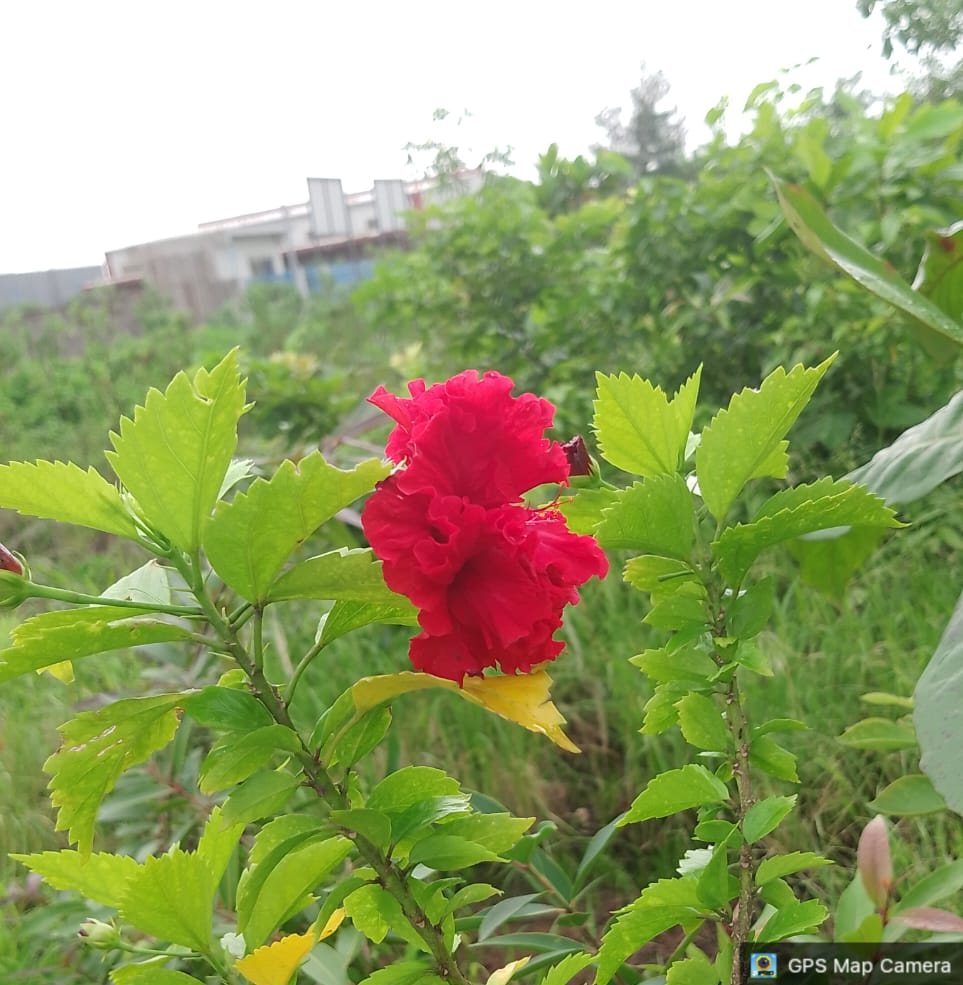
Ask people about the place they love most in their neighbourhood, and many will name a tree. A big old tree to sit under. A garden corner. A small patch of green on a busy street. We feel better near living things, and that is not an accident.
Urban forests, even small ones, bring that feeling to places that need it most.
Calm in a noisy place
Dense trees soften the sound of traffic and block some of the glare and dust. Walking under a canopy can feel calming, and many people find that a few minutes among trees helps them relax.
Cooler, cleaner and more comfortable
A forest brings shade and cooler air, catches dust on its leaves, and gives life to the ground. A neighbourhood with more trees is more comfortable to walk in, especially in summer.
Children and nature
For many city children, nature is something they see on a screen. A small forest on the school ground changes that. Children can watch seedlings grow, see a butterfly arrive, count birds, and learn where food, water and shade come from.
Planting a tree with their own hands gives children a sense of care and responsibility. Many remember it for the rest of their lives.
Older people and quiet spaces
Parks and shaded paths give older people a safe, cool place to walk and meet friends. A small forest with a seating area becomes a place for conversation and rest.
A friendlier community
A shared forest brings people together. Residents plant on a weekend, neighbours water in turn, children give names to trees. Over time, a patch of green becomes a shared project, and people who barely knew each other start talking.
At work, too
Offices, factories and campuses benefit from green space. A small forest on the grounds offers a place to take a break, hold a walking meeting or simply look at something green. Employees can take part in tree-planting days, which also makes a strong team activity.
Learning by doing
Forests are living classrooms. Students can study soil, plants, insects and weather right on the school ground. Our JNPT forest has become a living laboratory for students and researchers, and the same can happen in a school or a housing society.
How to start your own small forest
- Find a plot, even a small one.
- Prepare the soil with natural materials like compost.
- Choose native species that suit your area.
- Plant densely, with many species and layers.
- Mulch the ground and set up watering.
- Care for it in the early years, with the whole community involved.
Frequently asked questions
Can a small forest improve wellbeing?
Many people find that spending time near trees helps them feel calmer. Small forests also make neighbourhoods cooler, quieter and more pleasant.
Is it safe for children?
Yes, with simple supervision. A school forest can be a safe, educational space.
Can communities learn to create forests?
Yes. Our training modules explain the method step by step in English and Hindi.
Dreaming of a greener school, society or workplace? Speak with Forest Creators.
Talk to Forest Creators