
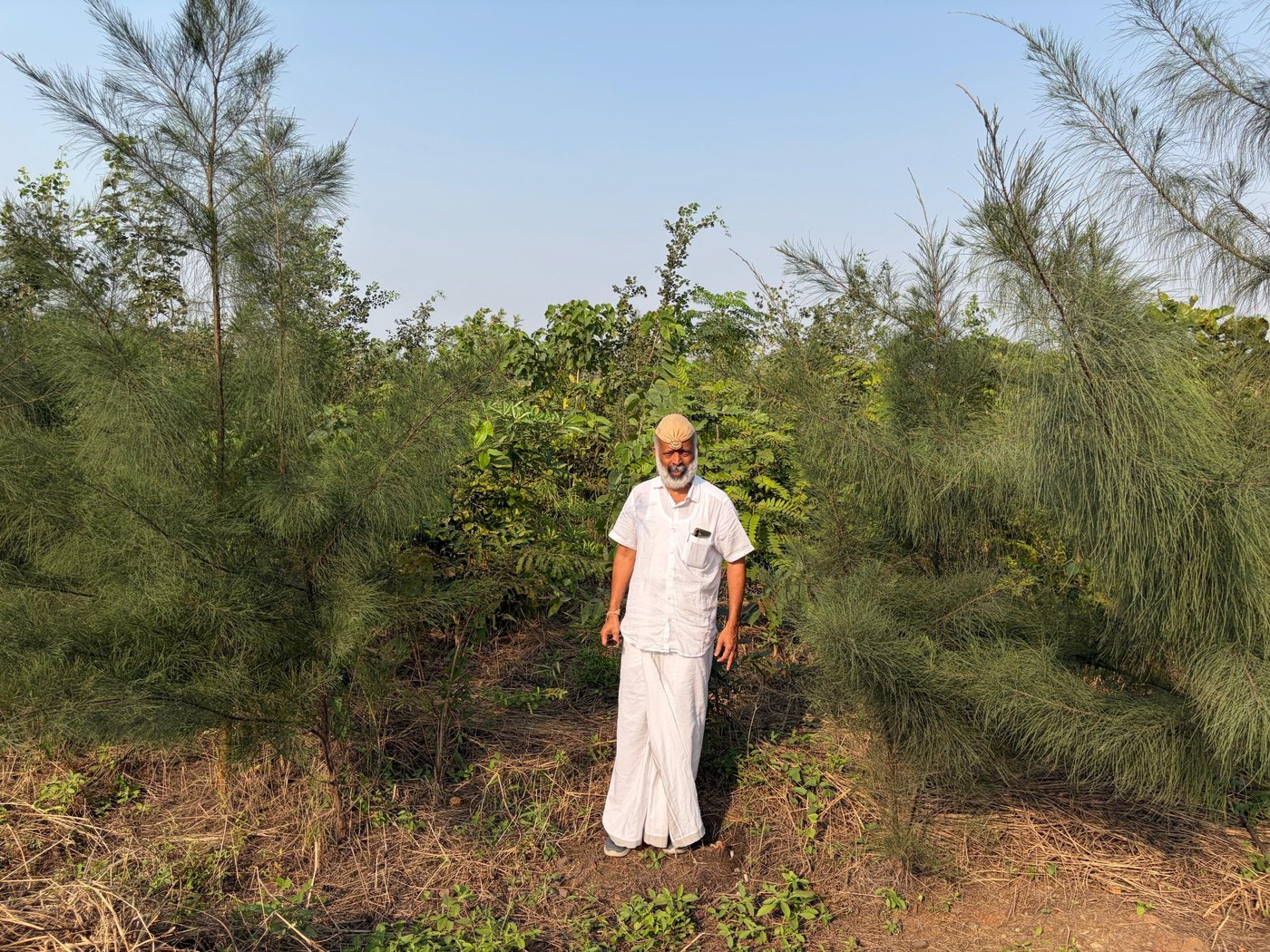
You have probably heard that trees help fight climate change. But how? And how much can we trust a tree-planting promise? Here is the story in plain English.
What is the problem?
When we burn fuel for transport, electricity and industry, we release carbon dioxide, a gas that traps heat in the air. As more of it builds up, the planet warms and the weather becomes less predictable.
How trees help
Trees take in carbon dioxide from the air as they grow. They use it, with sunlight and water, to make sugars for energy, and to build leaves, branches, trunks and roots. The carbon becomes part of the tree.
As trees grow, they keep storing carbon. Leaves fall and become part of the soil. Roots spread underground. The forest floor, rich with organic matter, holds still more carbon.
Why dense forests?
A dense, layered forest has a lot of green growing in a small space: tall trees, mid-sized trees, shrubs and ground cover. More leaves and roots mean more growth, and more carbon stored. A thick layer of leaf litter and living soil adds to it.
But only if the trees live
This is the key point. A tree stores carbon only if it survives and keeps growing. A plantation where half the saplings die is not doing half the job.
That is why survival matters more than the number planted. When you read about a tree project, always ask: how many are still alive, and who is looking after them? Our projects report a survival rate of 95%+, because we put so much work into soil, species and care.
Why native species
Native trees suit the local soil and climate. They are more likely to live for decades, and they support the birds, insects and other creatures around them. A forest that lasts stores carbon for longer.
Soil is a carbon store too
Living soil holds a lot of carbon. Practices that build soil, such as using compost, mulching and avoiding chemical inputs, help store carbon below ground. That is one more reason why Bharat Vann begins with the soil.
What a forest cannot do alone
Planting forests is a good step, but it cannot replace cutting emissions. It works alongside cleaner energy, better transport and more efficient industry. For companies, a forest is a way to take responsibility for part of their footprint, not an excuse to ignore the rest.
Be wary of loose claims
Carbon numbers can be tricky. They depend on species, climate, age, soil and measurement method. When anyone gives a number, ask how it was worked out. Honest projects explain their method, and share updates over the years.
Frequently asked questions
How do trees store carbon?
Trees take in carbon dioxide while growing and turn it into leaves, wood and roots. Fallen leaves and roots also add carbon to the soil.
Does planting trees cancel my emissions?
Forests help, but they should be part of a wider plan to cut emissions too.
Why does survival matter?
Only trees that live and grow keep storing carbon. Dead saplings store nothing.
Want a forest that is built to last? Talk to Forest Creators about your plans.
Talk to Forest Creators