
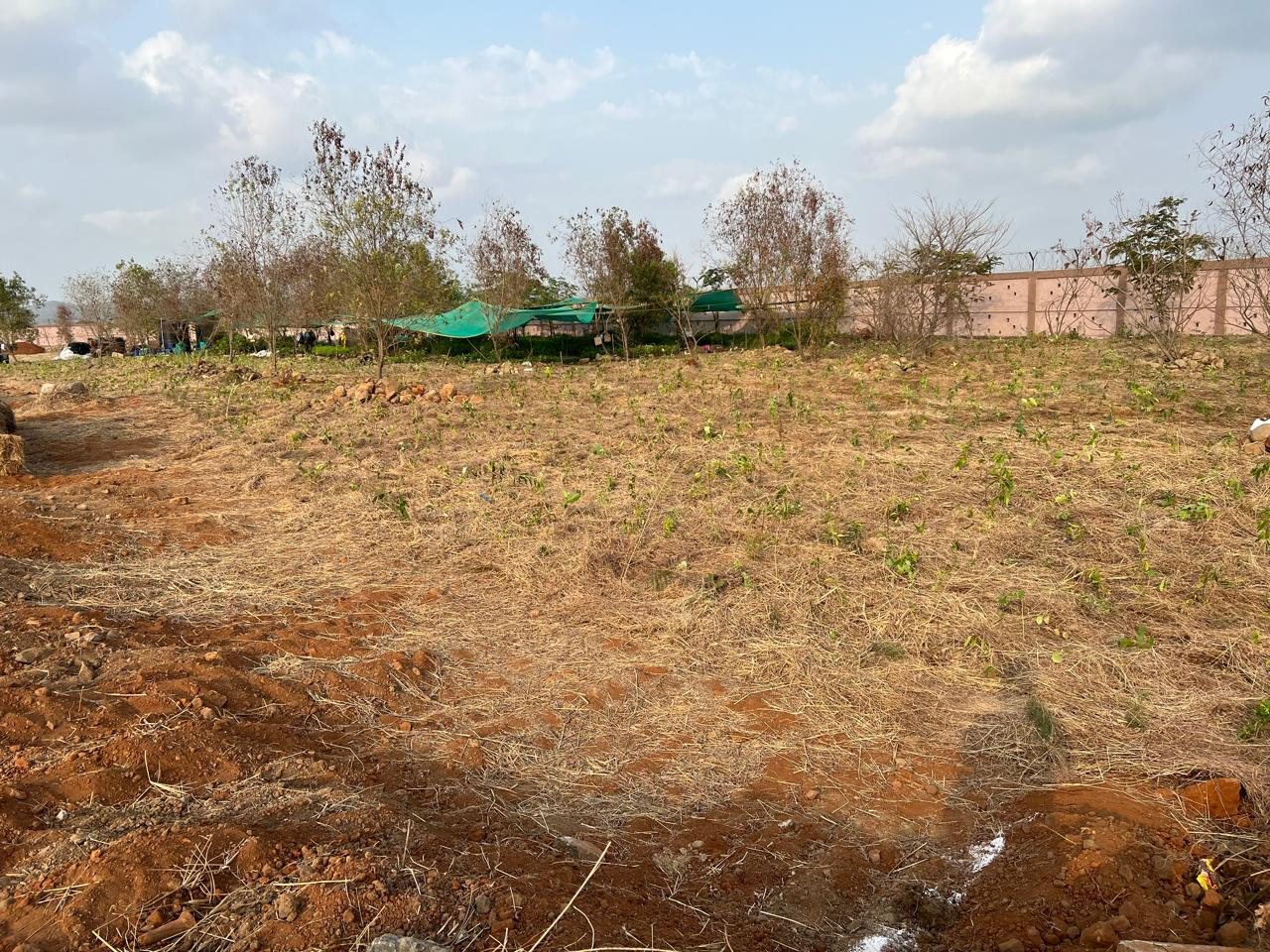
Behind every forest there is a nursery. Before a single tree goes into the ground, thousands of tiny saplings have to be grown, protected and made ready. For small and local nurseries, a forest project can be a big opportunity.
Why a dense native forest needs so many saplings
A Miyawaki or Bharat Vann forest is planted densely, with many native species growing close together. That means a large number of saplings, and a wide variety of them. A single project can need tens of thousands of plants.
For example, the signboard at our JNPT forest in Nhava Sheva records 1,09,627 trees of 79 varieties. Every one of them started life in a nursery bag.
Planning ahead
Saplings take time to grow, so nurseries need to know early. A good forest plan lists the species, how many of each, and when they are needed. Nurseries can then start growing them months before planting day.
This early planning helps everybody. The nursery gets a firm order. The forest gets healthy saplings of the right size at the right time.
Why native species matter
Native trees are adapted to the local soil, weather and insects. They tend to survive better, and they support local birds and pollinators. A nursery that knows how to grow native species, including the less common ones, is very valuable.
Some trees are easy to find. Others are rare, slow, or hard to germinate. Forest projects give nurseries a reason to grow them.
Quality counts
Healthy saplings have good roots, strong stems and green leaves. They should be hardened off, which means slowly introduced to full sun, so that they do not get a shock on planting day.
A good forest team visits the nursery, checks the plants and selects the best. Weak saplings are left behind. This protects the forest and builds trust with the nursery.
Benefits for small businesses
- Steady orders. A large project can be one of a nursery's biggest orders.
- Wider range. Growing 50 or more species builds a nursery's skills and its catalogue.
- Local reputation. A nursery that supplies a successful forest becomes known in its region.
- Jobs. Nurseries employ people to fill bags, water, weed and sort plants.
- New markets. Once a nursery grows native species well, other customers, like societies, schools and farmers, begin to ask for them.
Beyond the sale of saplings
Nurseries also become knowledge centres. They can run small workshops, share planting tips, and train people to grow native trees from seed. This builds a green economy in the area.
A word to nurseries
If you run a nursery and want to grow native species for forest projects, start with a few. Learn what your local ecosystem needs. Keep records of what sells. And talk to forest teams early. They can tell you what species they will need.
Frequently asked questions
How many saplings does a forest need?
It depends on the size of the site and the planting density. A dense native forest can need tens of thousands of saplings or more. Our JNPT forest has 1,09,627 trees.
Why should nurseries grow native species?
Native species are in growing demand for forests, and they survive better in local conditions. They also help local wildlife.
Can a nursery work with Forest Creators?
We are always interested in good local nurseries. Please contact us with details of what you grow.
Are you a nursery or supplier who wants to work on forest projects? Write to Forest Creators.
Talk to Forest Creators